Special Distinction for The Use of AI for Peace · 2026
KoboToolbox
Global (headquartered in the United States)

Overview
As a free, open-source digital public good, KoboToolbox makes data accessible to small, resource-limited organizations. We help communities document their own experiences while enabling institutions to listen and act. Its new AI tools transcribe, translate, and analyze spoken responses across languages, even in low-connectivity settings. By making this technology open and accessible, KoboToolbox strengthens frontline organizations’ control over evidence and equips peacebuilding and development actors with insights to respond more effectively.
How does your project support peacebuilding and/or conflict resolution efforts in the context of a humanitarian crisis or developmental context?
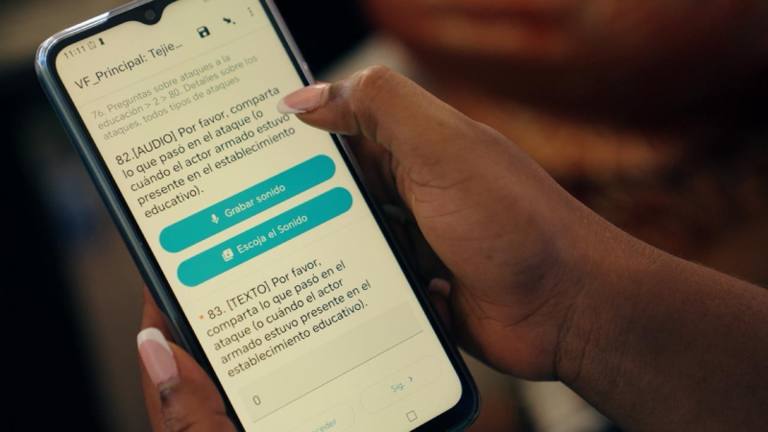
Durable peace depends on more than ending violence. It requires people to have a voice in how their communities recover, rebuild trust, and address grievances. KoboToolbox AI Features help communities and local organizations capture experiences in their own words and languages (across 145 languages and regional variants), while giving institutions better ways to listen and act. By bringing forward priorities, tensions, and sources of resilience, it strengthens dialogue, accountability, social cohesion, and responses grounded in lived realities.
In what ways does your project contribute to the existing PeaceTech ecosystem and research efforts in a compelling way?
KoboToolbox contributes open, shared infrastructure that any organization can adapt, scrutinize, and build upon. Our new AI features turn spoken experience and qualitative data into usable evidence across languages and in low-connectivity settings, helping researchers and practitioners make sense of complex, lived realities at scale. By keeping this technology open-source, community-driven, and free, KoboToolbox creates a growing, reusable foundation for peacebuilding research and practice that continues to improve as more organizations contribute to and build on it.
How does your work leverage collaborations and partnerships to unlock new opportunities and maximize impact?
We continually assess, consult, and test features with partners worldwide to identify priorities and needs. Our qualitative data features are built into KoboToolbox’s established infrastructure, used by organizations including UNHCR, World Bank GEMS, and WHO in the current Ebola response. Feature development was informed by research with 23 humanitarian representatives.
Watch
Impact
What is the potential of your work for widespread impact? How do you meaningfully improve the lives of people?
By making multilingual qualitative AI tools accessible via KoboToolbox, Kobo expands who participates in decisions and whose experience counts. It helps communities and frontline actors bring richer perspectives into planning, accountability, and action by sharing their experiences in their own languages. Our existing global reach lets new capabilities move quickly into practice, strengthening analysis and decisions grounded in people’s experiences and improving how institutions respond across diverse settings.
Source: KoboToolbox
More than two decades working with people and communities affected by conflict have taught me that durable peace starts with understanding how people experience conflict, justice, and recovery. The Kluz Prize for PeaceTech recognizes the importance of that work and highlights the potential of KoboToolbox’s use of open, ethical AI to help institutions listen at scale and enable all people to shape the decisions that affect their lives.— Patrick Vinck, Co-Founder, Chair & President, Kobo
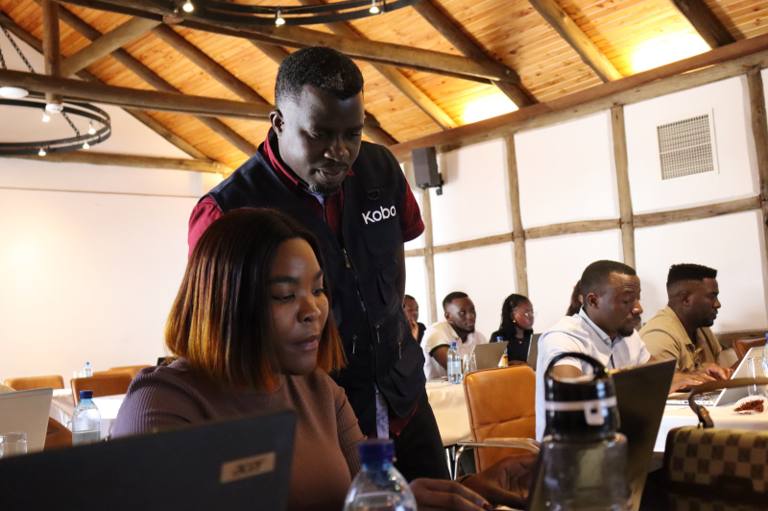
KoboToolbox in action